April 4th, 2020

As I am currently enrolled in English 417 – a Shakespeare centered class for those not attending CSUN – I’m finding it remarkably easy to use that class to help feed into my research on Tricksters. A Midsummer Night’s Dream helped me earlier in the semester when helping out with the Trickster-centered lesson plan and now I find the stars have once again aligned as we’ve just finished our unit on Othello right as I’m due for another blog.
Those not familiar with the play might hear the name Iago and think Aladdin, but while the colorful, avian Gilbert Gottfried might be a Trickster, his little bird brain can hardly dream of being half the Trickster figure Shakespeare’s Iago is.
Iago begins Othello by laying out his duplicitous nature for the audience, as well as Roderigo, as he explains his loyalty to “the Moor” – Othello – is a facade so that he can betray him.
“In following him I follow but myself.
Othello, I.i.58-65.
Heaven is my judge, not I for love and duty,
But seeming so for my peculiar end.
For when my outward action doth demonstrate
The native act and figure of my heart
In compliment extern, ’tis not long after
But I will wear my heart upon my sleeve
For daws to peck at. I am not what I am.”
While Iago tells Roderigo this to assure him that he does not love Othello, unbeknownst to Roderigo this applies to Iago’s interactions with everyone, including Roderigo himself. Iago is a character who is out for himself and his own interest – there is not one person in the play he would not step on, manipulate, or even kill if it would benefit him in some way. The best part? His reputation is spotless despite his highly manipulative ways. He is referred to as “honest” Iago by the people he wants to do the most harm to because he’s just that good at being bad.
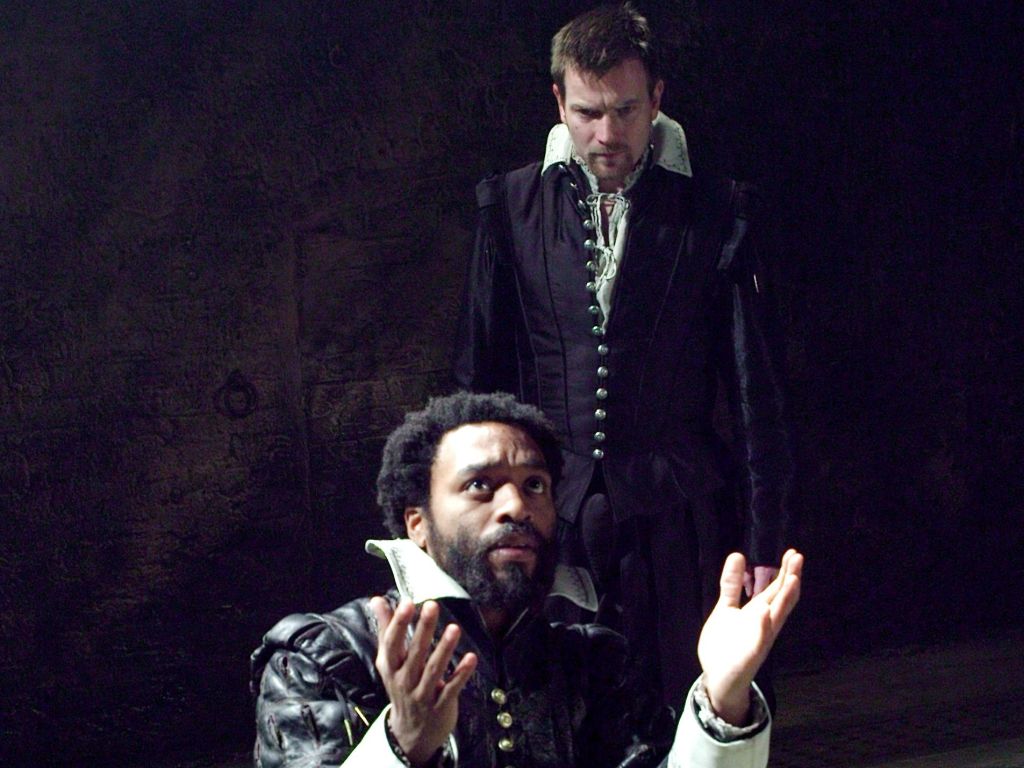
In fact Iago is so good at being a puppet master that at times he might even fool the audience. Perhaps it is because I watched a performance while reading the play but Iago is so charismatic and smooth as he switches between the evil manipulator and the loyal, loving friend to Othello and Cassio that it felt as though he was trying to manipulate me.
But Iago is not all manipulations and scheming – I mean he is, but he’s also a humorous character, and as we all know a playful spirit is a big part of being a Trickster. He often makes quick little aside quips to the audience about his true nature, particularly right in front of other people, and often when people are praising his honesty and loyalty. These little winks are for us as the audience to occasionally remind us in a humorous way that he is the villain, yet not even we get to truly know anything about Iago’s motives for the things that he does. He gives different excuses to different people – Othello promoted Cassio instead of him, Othello slept with his wife, etc. – but neither we nor the authorities never get a clear answer as to why he’s caused so much chaos and trouble.
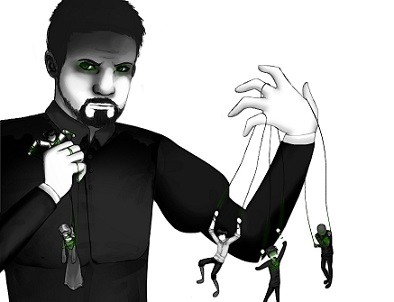
While Iago might not shape shift in a traditional sense, the way he shifts into the character of whoever he needs to be depending on who he is manipulating is pretty undeniable. He is the concerned, devoted friend to Othello who shudders to even suggest the infidelity of his wife, he is the two-faced schemer for hire working in Roderigo’s interests to Roderigo, he is a close friend and confidant to Cassio, he is the concerned citizen to Desdemona’s father Brabanzio. Perhaps the character who only ever sees Iago when he is not putting on a character is his wife Emilia, but even she does not know his motives or intentions. Iago may not shape shift on a physical level, but given how much he effectively changes face for other characters he might as well be.

Regardless of if you see Iago as a shapeshifter, it still cannot be denied that this Shakespeare villain embodies the Trickster archetype with every manipulative, selfish move that he makes.
 Shannon's Mythology Website