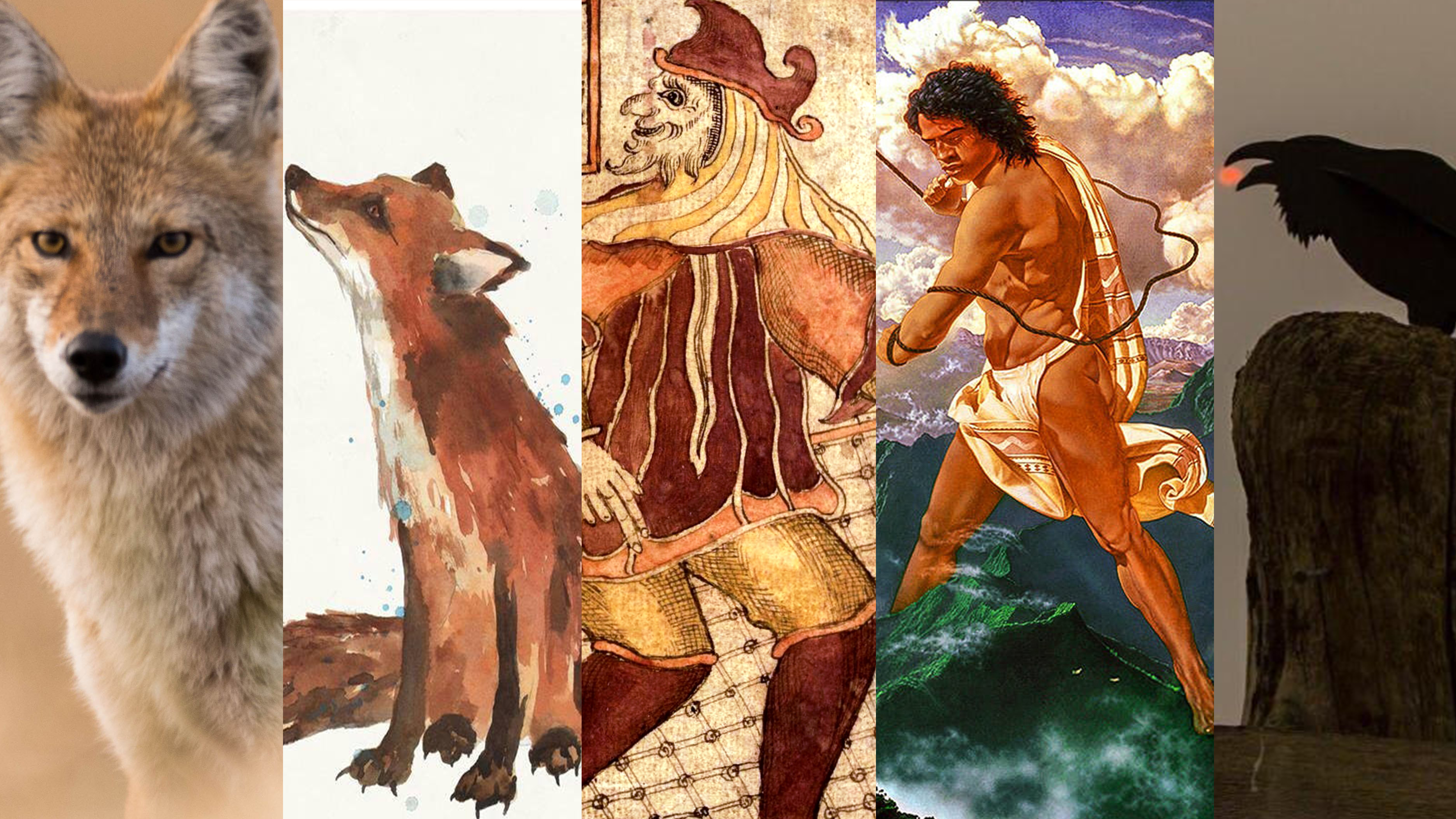
Tricksters: The Embodiment of Ambiguities
Tricksters are a hard group to categorize. Their unpredictability and versatility make this archetype more than a little diverse, from Bugs Bunny to the Joker, just about any character could qualify as a Trickster simply because there’s so much that goes into the archetype.
Tricksters are first and foremost playful figures who don’t take themselves too seriously, they’re out to have a good time and they don’t care who they have to go through to do it. Sometimes their playful spirit can come at the expense of others, but if you approach a Trickster with a similar playful intent, a good time will usually ensue. They’re humorous and absurd figures who are always good for a laugh.
That doesn’t mean, however, that Tricksters are simply class clowns with little bite behind their bark. Tricksters may be funny characters, but they’re just as likely to stab you in the back as they are to make you laugh. They’re incredibly selfish and ambitious and not at all above hurting the innocent to get what they want. What they want is usually to steal someone’s hard-earned meal or sneak into bed with someone’s wife. Whatever it is they’re after, they’ll pull whatever dirty trick necessary to get it – because dirty tricks are far easier than working hard to earn things legitimately, and Tricksters are notoriously lazy despite their lofty ambitions. They like to take the easy way in all situations, and if they fail because of it they’re just as quick to laugh at themselves as they are at the misfortune of others.
Above all, Tricksters are meant to be human. Not literally, in fact they’re usually Gods in mythology, but they provide a little touch of humanity to mythological narratives that desperately need it. No human being can relate to the grand, divine power of Zeus, but this guy over here trying to steal his lunch? Yeah, that’s totally me! Not all the time, of course – if everyone acted like a Trickster all the time we’d have pure anarchy! But Tricksters represent who are at our most primal core, who we all have the potential to be if society and expectations didn’t reign us in all the time – we’re hungry, horny, self-serving bastards who are just looking to have a good time.
The versatility of the archetype means that Tricksters can be broken up into ten very different “fundamental aspects” as seen in Scott Leonard and Michael McClure’s book Myth & Knowing. The categories are as followed: creator, culture-bringer, opportunist, mischief-maker, amorous adventurer, hunger-driven manipulator, credulous victim of others’ tricks, lazy work avoider, transgressor, and clown of the body.
The Coyote
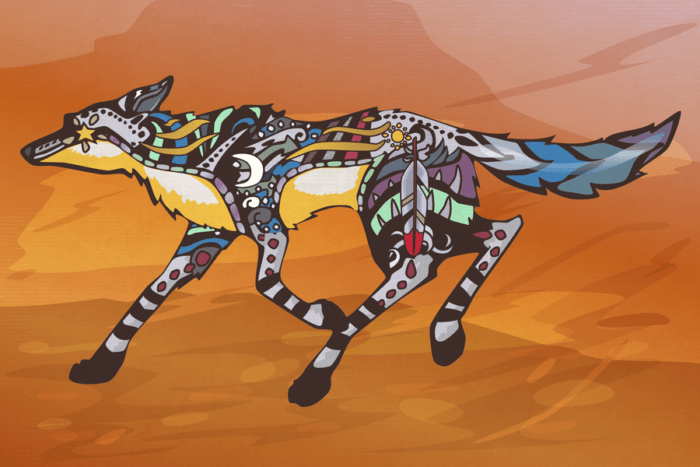
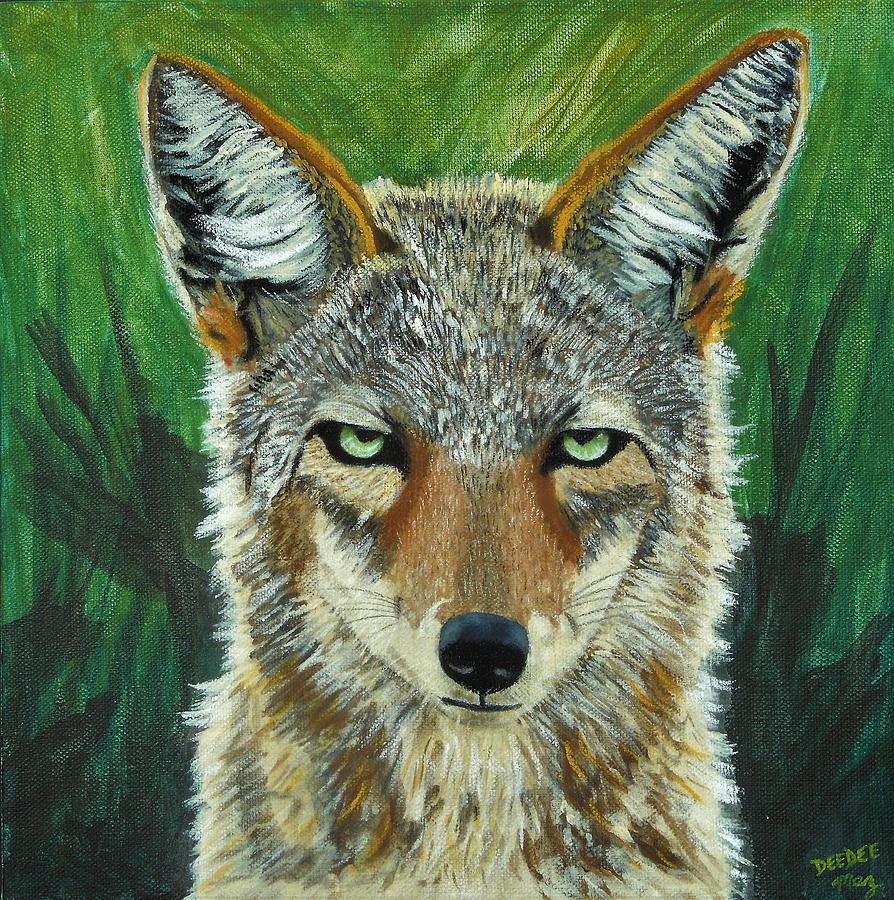
The Coyote is one of many Native American Trickster figures – and arguably the most well known of the lineup. Although he’s a Trickster and has embodied all ten aspects of a Trickster he is a sacred figure in a lot of cultures. My chosen myth, How Coyote Placed the Stars, shows the sacred figure of Coyote as a creator of the night sky, but also an ambitious figure who thoughtlessly stabs his friends in the back for some fame and attention.
As the story goes, Coyote is with a pack of wolf brothers, whom he travels around and hunts with. Every night, the wolves look up at the sky, but don’t want to tell Coyote what they’re looking at because they don’t want him to interfere. Eventually, the youngest wolf convinces his brothers that there’s no harm in telling Coyote.
They tell Coyote that they’re looking at two animals up in the sky, but they can’t get to them. Coyote tells them that they should go up there, and devises a plan to get them all up into the sky by shooting arrow after arrow until it creates a ladder to the sky. They climb for days on end until they finally reach the sky and find that the animals they were looking at were two bears.
Coyote warns them not to go near the bears, but the wolves do not listen. Firs the two youngest, then the next two go to sit near the bears before the eldest wolf and his dog finally join them. Only Coyote hangs back out of mistrust for the bears, but as he looks at the wolves and bears he realizes they make a pretty picture. So, Coyote sneaks back down to earth, taking the arrows with him as he goes, leaving the wolves stranded up in the sky with the bears and giving us what we now know as Ursa Major, or the Big Dipper.
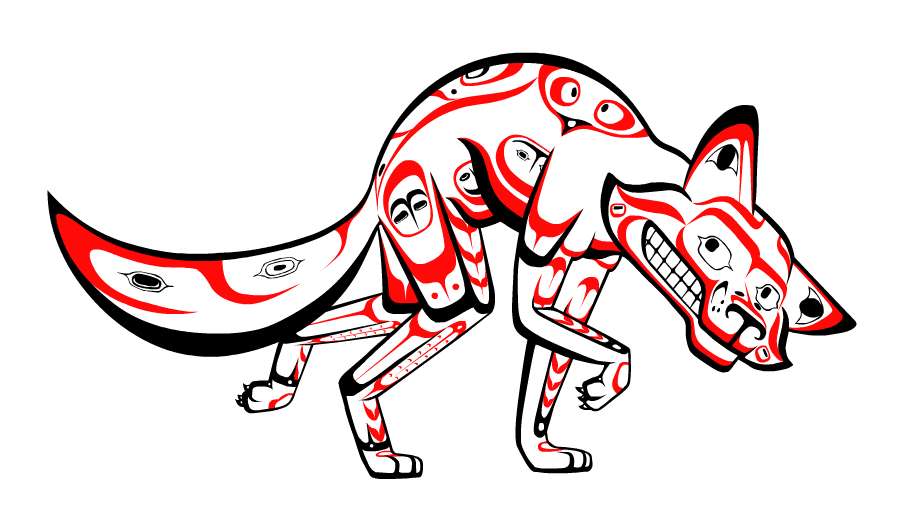
When he got back down to earth he admired the picture he’d made and decided to place more stars and make more pictures with them. When he was finished he told the Meadowlark to tell everyone that the stars were his doing once he was gone.
For more information on Tricksters as well as an 11th grade lesson plan based around the mythological archetype, feel free to peruse this presentation!
And here the lesson plan on its own:
 Shannon's Mythology Website
Fabulous
LikeLike