Hello! This page is where I will be posting my academic writings that relate to the mythological figure of the Trickster. We will be writing two academic papers in this class, one which asks us to analyze a poem and one which asks us to analyze a short story. Both pieces will be linked below, feel free to check them out if you so choose!
Ozymandias by Percy Bysshe Shelley
As the name might suggest, this paper focuses on Percy Bysshe Shelley’s famed poem “Ozymandias.” The paper focuses on the titular Ozymandias and his quest for immortality through power, a quest that is thwarted by the combined efforts of nature and time. Though the paper does not go into detail about it, there is a clear trickster figure in “Ozymandias,” thought it’s not the traditional trickster.
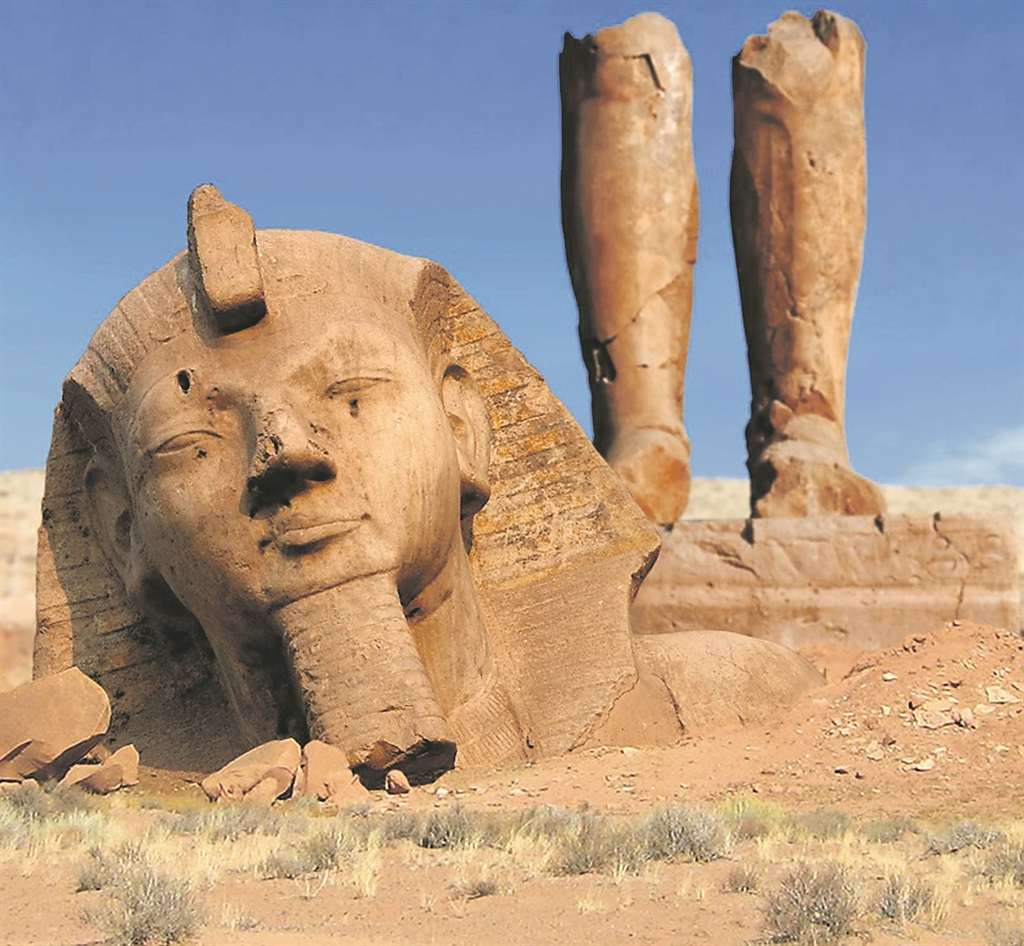
The trickster in Shelley’s poem is the one who thwarts Ozymandias’ plans for greatness, the one who plays the ultimate trick – death – on the ancient king, and the one who made a fool of him by erasing all of his accomplishments from history but leaves just enough of him to make him look like a fool. Ozymandias’ trickster is none other than time, and though it’s not the angle my paper took, one could easily write an analysis of time as a Trickster figure in “Ozymandias”
The Medicine Bag by Virginia Driving Hawk Sneve
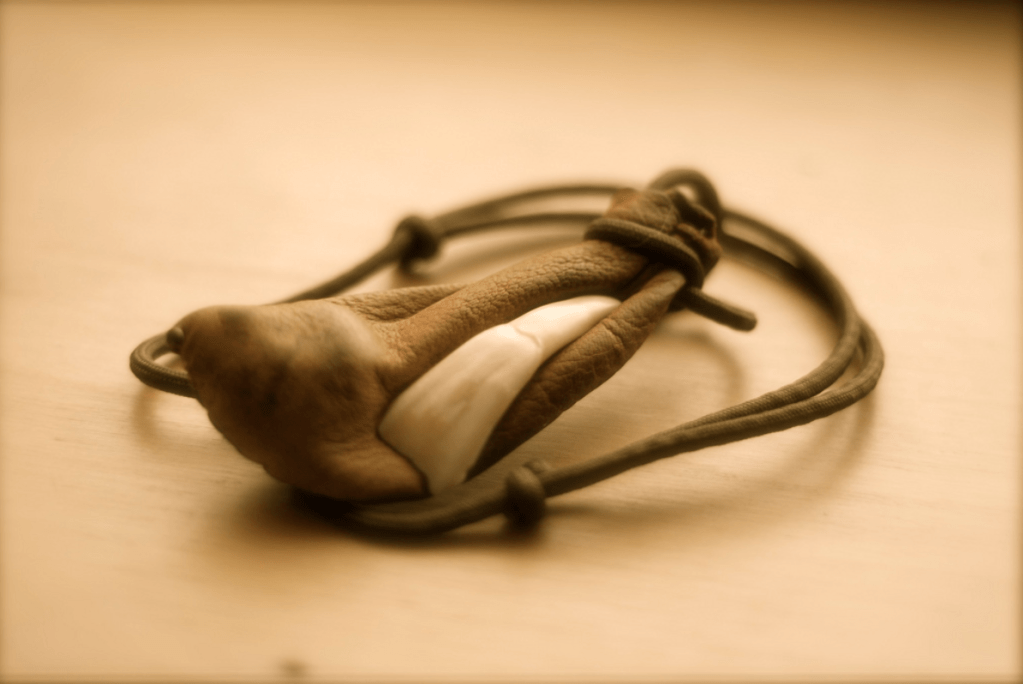
This paper focuses on the perseverance and evolution of culture as shown in Virginia Driving Hawk Sneve’s short story “The Medicine Bag.” Much like my paper on Ozymandias this one is not immediately related to Tricksters. However, I think this short story could be relevant to a discussion of Tricksters.
Though it is not immediately evident, an argument could be made that white Americans are the Tricksters when it comes to Native Americans. As shown by Iron Shell and Martin’s experiences with white people, we stripped them of their culture and then years later came to stereotype them and expect the very behaviors we suppressed – only to be surprised when they’re not what we expect from them, and that sounds like a cruel joke if I’ve ever heard one. Not only that but we selfishly take from their culture when it suits our needs but “other” it when it does not – as shown by Martin’s anxiety that his friends would not understand his grandfather or the medicine bag tradition despite being enthusiastic to learn about Native culture when it involves moccasins and drums.
I could also see an interpretation where Grandpa is the Trickster. Given how seamlessly he transitions from his usual self to the show he puts on for Martin’s friends of the traditional Indian like a shapeshifter. He’s a mysterious character who only does things when it is “the right time” and has a sort of mystical clairvoyant aura about him. Not to mention that, while Tricksters are found across cultures, Native American mythology is known for their Trickster myths as they have an abundance of them. I could believe an essay that argued Joe Iron Shell represents a benevolent Trickster.
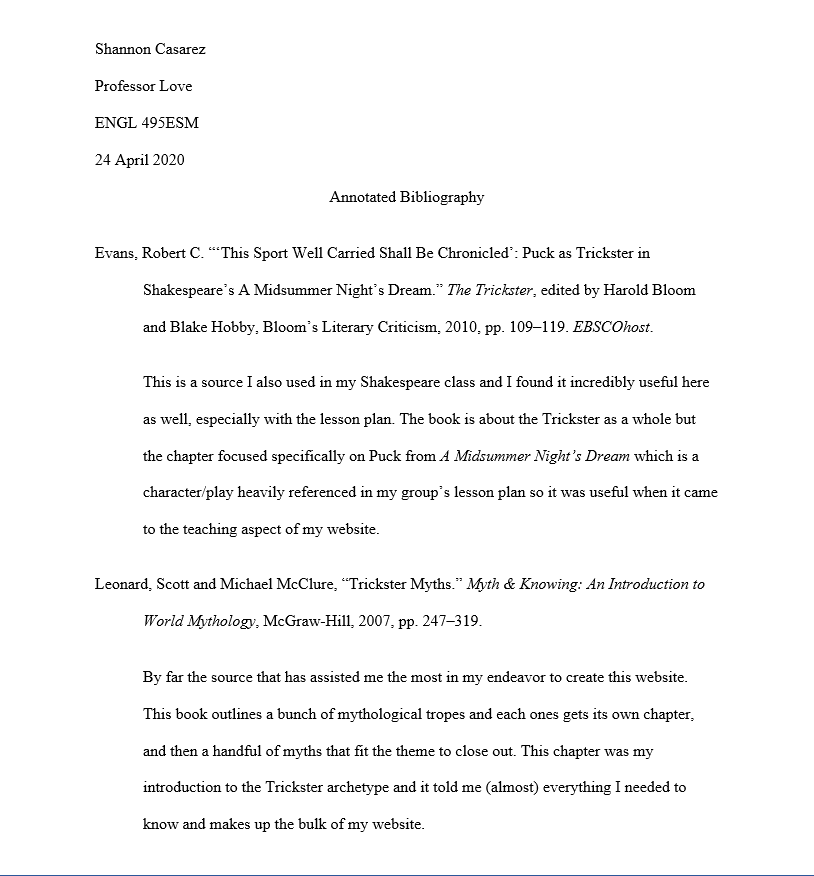
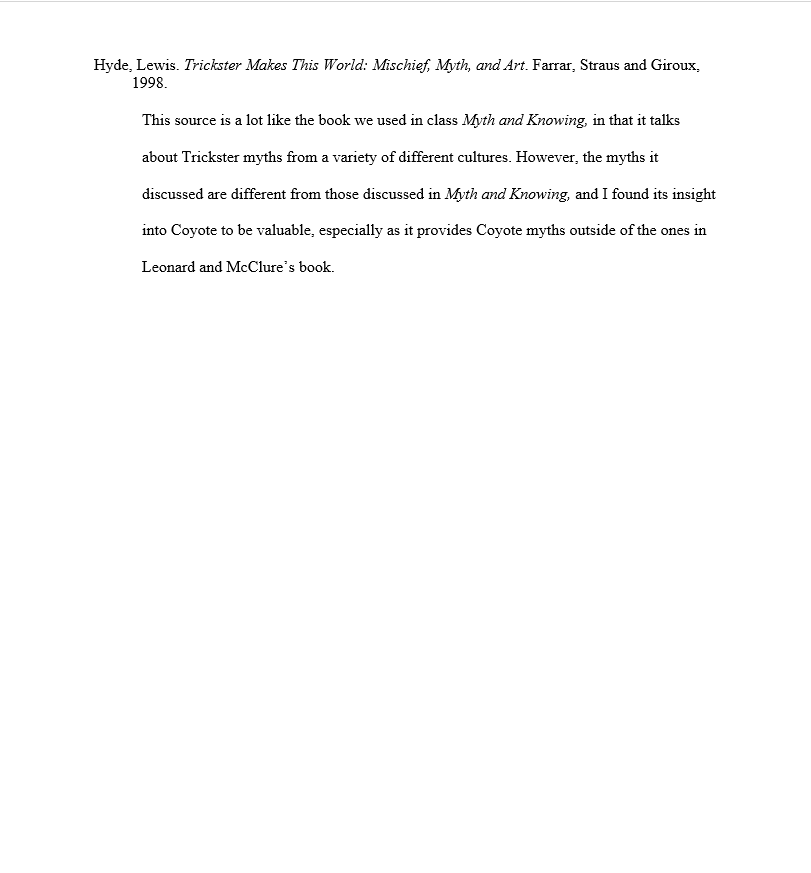
Annotated Bibliography
 Shannon's Mythology Website